Every job below is one we do ourselves across Antioch.
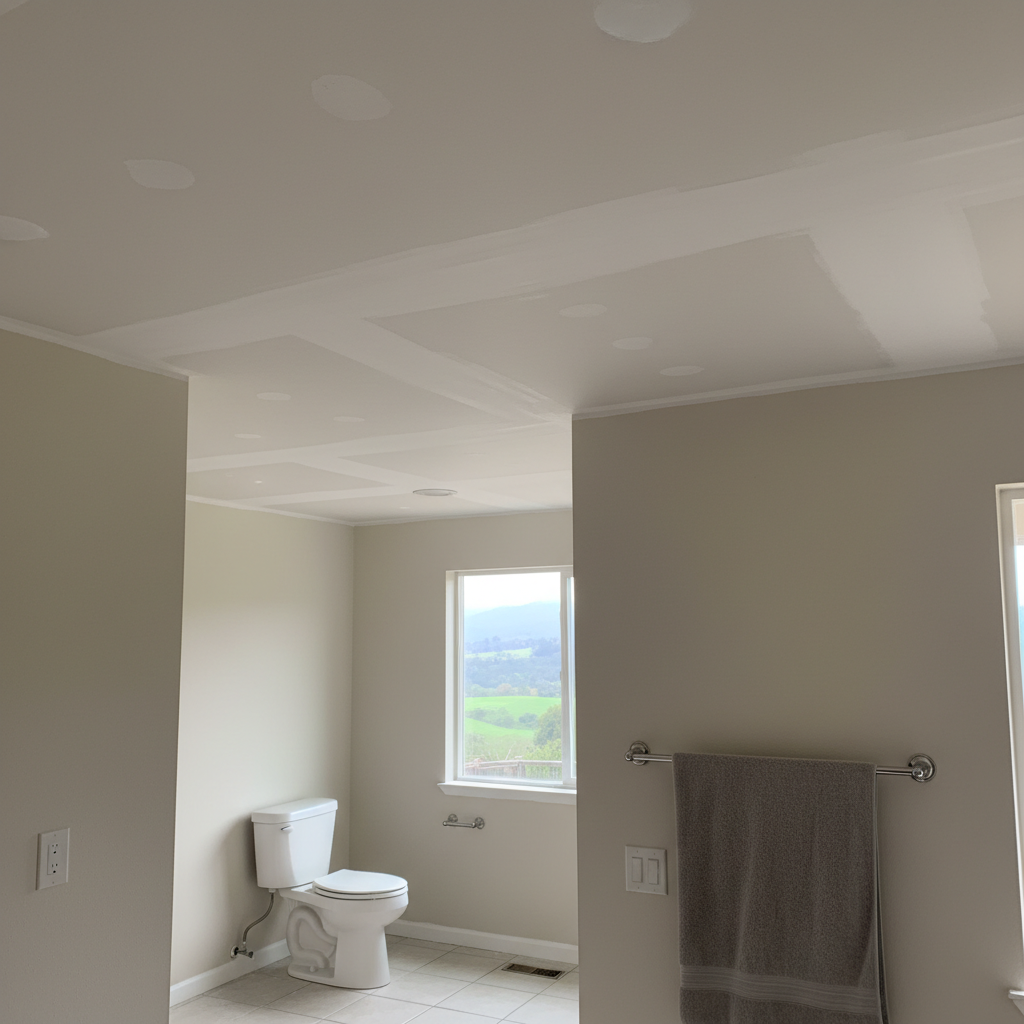
We hang 1/2 inch board on walls and 5/8 inch on most ceilings, screwed every 12 inches into the studs so it doesn't sag or pop loose later. Fire-rated 5/8 inch goes up where code calls for it, shared garage walls and some ceilings under living space. We stagger the seams so you're not taping one long joint down the middle of a wall.
Small holes from a doorknob or a moved light switch get a scrap patch and three coats of mud, not a wad of spackle. Bigger holes get cut back to the nearest studs and a new piece screwed in, so the patch has something solid behind it. Nail pops get re-screwed a couple inches off the old hole and the old one gets filled.
Paper tape goes on flat seams with the first coat of mud, mesh tape with setting compound where a joint is prone to cracking, like above a door. We run a second fill coat and a final finish coat, sanding light between each one. Rushing this is how you end up with a seam you can see every afternoon when the light comes in low.
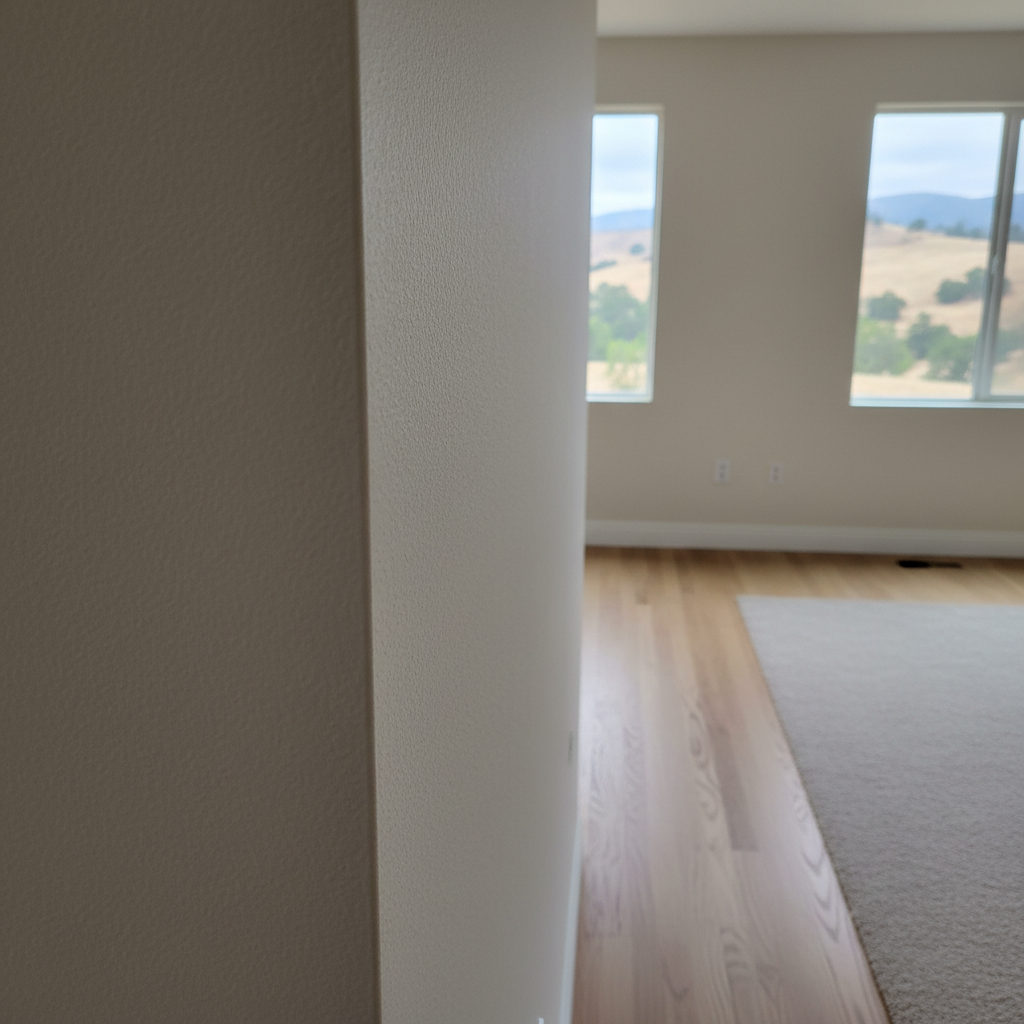
Orange peel, knockdown and hand-troweled finishes all spray or trowel differently, and matching an existing texture means mixing the mud to the same consistency the original crew used. We test a scrap piece first so a patch doesn't stand out once it's painted. Skip this step and you'll see the patch outline for as long as you own the house.
We wet the ceiling down and scrape the popcorn off without tearing the paper facing underneath, then skim coat the whole ceiling flat. Ceilings from before 1980 sometimes test positive for asbestos in the texture, so we'll ask about the age of the house before we start scraping. A smooth ceiling after popcorn removal usually needs a full skim coat, not just a patch here and there.
Drywall that's taken on water goes soft and the paper tape bubbles off the seams, and no amount of paint fixes that. We cut the damaged section back to dry board, replace it, and re-tape the joints so the repair blends into the surrounding wall. Find the leak first, we can tell you if the stain pattern looks like a roof, a pipe, or condensation before you call a plumber.
Attached garages need 5/8 inch Type X board on the shared wall and ceiling with the house, taped at the seams to hold the fire rating, not just hung and left bare. We tape and mud it to pass inspection, even on the ceiling nobody will ever see painted. Skipping the tape coat on a garage ceiling is a common way to fail inspection.
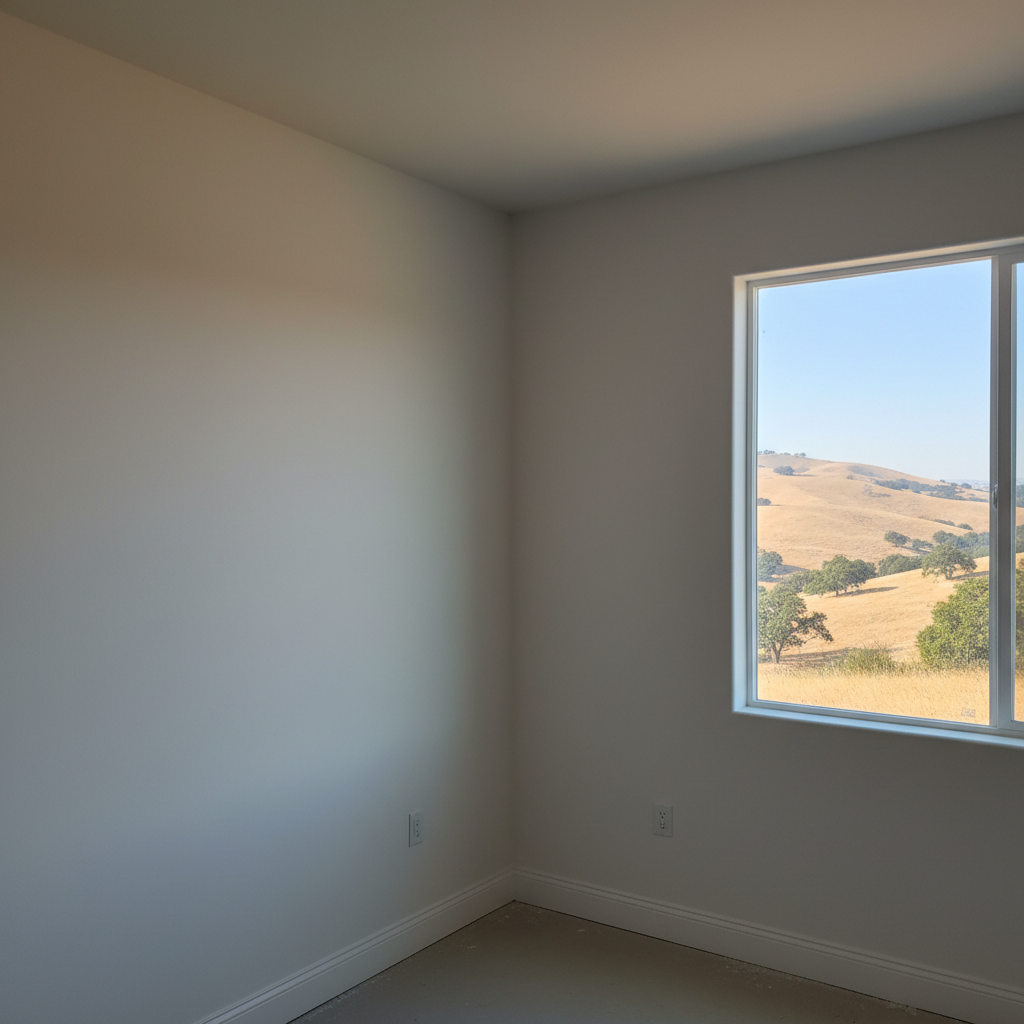
A full skim coat covers the whole wall or ceiling in a thin layer of mud, which is what you want under high-gloss paint or strong side lighting where every seam and screw dimple would otherwise show. It takes more coats and more sanding than a standard taping job. Worth it in a dining room with a big window, overkill in a closet.
Nail pops happen when a screw backs out as the house settles or the lumber dries out, and you'll see a little dome in the paint. We re-drive or replace the fastener, fill the old spot, and feather the mud out so it doesn't show a ring once it's painted. Doorknob holes and corner dings get the same treatment, patched and blended rather than just caulked over.
We also frame metal stud walls and hang board for office build-outs and tenant improvements, not just houses. Commercial jobs usually mean fire-rated assemblies and sound-rated walls between units, which changes the board type and the taping spec. If you're a contractor who needs a drywall sub for a build-out, we can bid off your plans.
Four steps, and no surprises in any of them.
You tell us what you want doing, we look at what is actually there, and we ask the awkward questions early.
In writing, itemised, free. If something might add cost later we flag it now rather than at the end.
Same crew throughout. We cover your floors, keep the dust down and tidy up before we leave each day.
You point out anything you are not happy with and we fix it before the invoice, not after.
We bring the same drywall crew and process to every town on this list.
Questions that come up once a drywall project actually gets started.
Describe the problem and we will tell you what it probably is. No obligation.